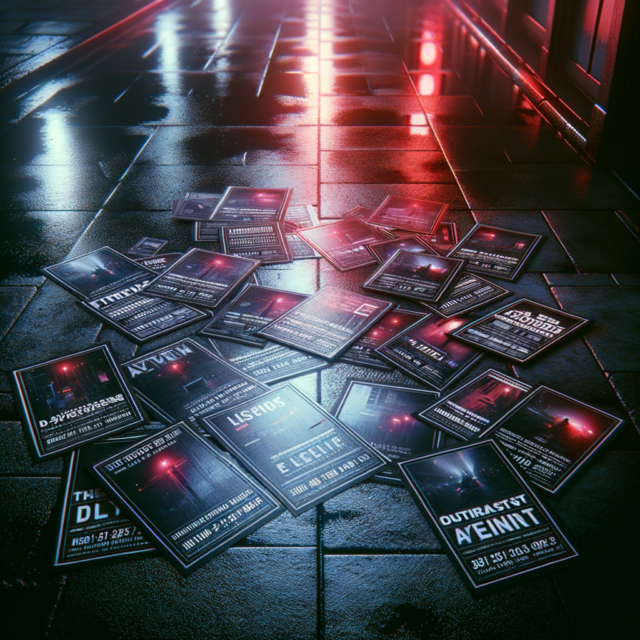
Digital marketing is the default. Everyone runs Instagram ads, everyone has an SMS list, everyone is optimizing their Meta pixel. Physical flyers are the channel that most promoters abandoned — which is exactly why they work. Here is how we turned paper into one of the highest-ROI distribution channels in our marketing stack.
The flyer-for-guestlist exchange
The core mechanic: community members share the event flyer and in exchange receive guestlist access. Each share is a confirmed commitment — the person who shares the flyer has publicly associated themselves with the event, which makes them significantly more likely to attend. The flywheel works because each share is simultaneously marketing distribution and social proof.
The conversion rate on flyer sharing exceeds any digital channel because the act of sharing creates investment. A person who posts a flyer on their Instagram story has told their social circle they are going. They now have social accountability to show up. Digital likes and saves create no comparable commitment.
The physical flyer system for DJs
We printed flyers with each DJ’s name on them. Fans bring the flyer to the door and receive $5 off entry. The DJ gets a $5 credit per returned flyer. This system is trackable, tangible, and forces DJs to physically promote rather than posting once on social media and calling it done.
The economics: printing runs about 80 cents per page. A DJ distributing 50 flyers that bring back 15 people generates $75 in documented promotion value for a $40 print cost. The DJ earns $75 in credits. The event gains 15 attendees who might not have otherwise come. Everyone wins, and the metrics are visible — you can count the returned flyers and know exactly which DJ drove which traffic.
Closing-time distribution
The highest-value moment for physical flyering is closing time at other venues. Paragon closes at 3am. H0l0 at 6am. Silo at 4am. Every venue has a closing time that creates a crowd of people standing outside, still energized, wondering where to go next.
Flyering at these moments puts a physical object into the hands of someone who is actively looking for their next destination. The conversion rate on a flyer handed to someone at 3am who is already dressed and out is dramatically higher than any digital ad served to someone sitting at home at 2pm.
We paired closing-time flyering with per-head bounties: a DJ received $10 for every person they brought from their own closing event after 4am. Physical flyers plus personal invitation from a known DJ is the most effective late-night recruitment combination we tested.
Flyering as promoter compensation
Promoters received $20 per hour for flyering plus 33% commission on returned flyers. This dual compensation structure incentivizes both the effort of distribution and the quality of targeting. A promoter who distributes 100 flyers in the right locations and gets 30 back earns significantly more than one who dumps 100 flyers on a random street corner.
The personalized QR code on each flyer links to a promo code for online ticket purchase. This bridges the physical and digital — the flyer is a physical object that drives an online conversion. The QR code also provides tracking: you know exactly which batch of flyers produced which ticket sales.
The evergreen flyer concept
One design, no dates, all event-specific information lives on the ticketing platform or website. The evergreen flyer is a permanent brand artifact rather than a disposable per-event asset. This removes the weekly design burden that weekly event series create and reinforces brand consistency.
The evergreen flyer works because the brand is the event. When the operation is strong enough that people attend based on the name alone, the flyer does not need to communicate lineup, date, or location. It communicates identity. The QR code on the back handles the logistics.
Mexico City proof of concept
The flyer-sharing-for-guestlist model was prototyped in Mexico City before being refined for NYC. The CDMX scene validated that physical and digital flyer distribution drives more word-of-mouth than any other single channel. People hear about events from other people, not from Instagram ads. Most sales occur from word of mouth rather than promoted content — because people are always asking each other for plans instead of trusting promoters on social media.
The flyer is the physical artifact that enables those conversations. When someone shows a friend a flyer on their phone or hands them a physical card, the event becomes a social proposition rather than an advertisement. That shift from advertisement to social invitation is the conversion mechanism that no digital channel replicates.
Physical flyer distribution is the oldest marketing tactic in nightlife and the one with the most untapped potential. While every competitor is fighting for attention in the same digital channels, a well-timed physical flyer handed to the right person at closing time converts at rates that Meta ads cannot match. The promoters who abandoned paper left an open channel for anyone willing to pick it back up.