
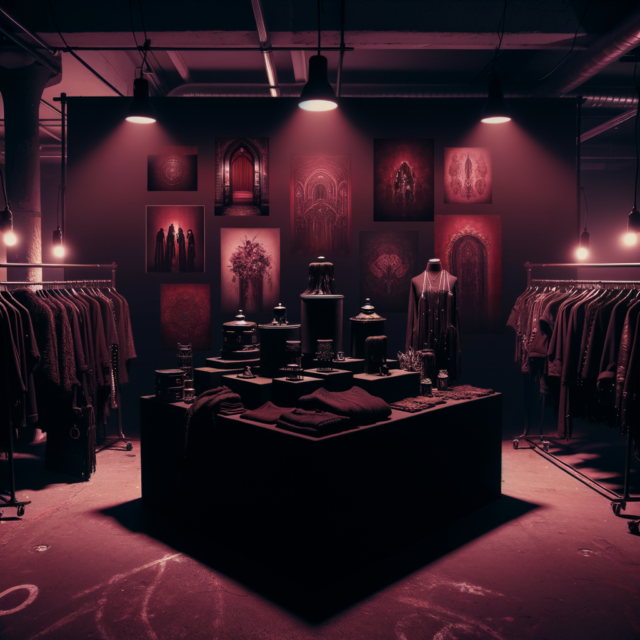
Events that offer only music are leaving money on the table. Adding vendors — clothing, art, tattoos, food — transforms your event from a party into a marketplace. Each vendor brings their own audience, creates additional reasons to attend, and generates revenue streams that exist independently of ticket and bar sales.
The vendor fee structure
Vendor fees vary by event duration and vendor type. For a 12-hour event, a clothing or art vendor pays a flat $250 table fee. For shorter events, the fee scales down. The fee covers table space, power access, and the foot traffic your event generates.
The commission model runs two ways depending on price point. For cheaper items under $50, a 50:50 split between vendor and event works. For premium items or specialty vendors like tattoo artists, a flat fee of $700 plus 30% of sales is more appropriate. The higher flat fee reflects the higher revenue potential and the premium space allocation that tattoo vendors require.
Some events use a goodwill rate: half the standard vendor fee as an introductory offer. When a vendor network charges $200 per table, offering $100 for the first event builds the relationship. The venue may take a 20% cut of vendor fees, which needs to be factored into the pricing.
Finding vendors who fit
Not every vendor belongs at every event. The vendor aesthetic needs to match the event aesthetic. For dark culture events, that means hand-made screen-printed clothing, custom art, tattoo artists who work in dark or gothic styles, and accessories that align with the community identity. A vendor selling tie-dye festival gear at an industrial techno event creates cognitive dissonance that undermines both the vendor and the event brand.
The sourcing process: announce vendor opportunities through your community channels and evaluate portfolios before confirming. A vendor with a strong Instagram presence and an aesthetic that matches your brand becomes a co-marketing partner — they promote the event to their followers, and you promote their presence to yours.
Vendor logistics
Each vendor needs a defined space: table, chairs, lighting, and power. For a 12-hour event, vendors need to plan for coverage — they cannot run a table solo for 12 hours. Stagger vendor hours or confirm that they are bringing help.
Payment terms should be settled before the event. Vendor fees paid via Zelle or direct transfer before the event date. Partial refund clauses for events that visibly underperform — we offered a $100 refund when an event was clearly empty during a vendor’s contracted hours. This builds goodwill and ensures vendors book with you again rather than writing off the experience as a loss.
Vendor placement matters. High-traffic areas near the bar or entrance get the most foot traffic. Low-traffic corners near secondary rooms get less attention. Price the placements accordingly or rotate vendors between spots at longer events.
The audience crossover effect
We locked in 8 vendors plus a tattoo vendor for a single event. Each vendor promotes to their own audience. Eight vendors with 1,000 followers each represent 8,000 potential impressions that cost you nothing in ad spend. The vendor is motivated to drive traffic because their revenue depends on foot traffic at your event.
The vendor layer converts events from music-only experiences to marketplace-plus-music experiences. Attendees who came for the music discover a clothing brand. Followers of that clothing brand discover your event series. The cross-pollination creates growth loops that pure DJ lineups cannot generate.
Merch tables for DJs
DJs with their own merch lines can also function as vendors. A DJ merch table at a 19-DJ event creates a micro-marketplace where the performers themselves are selling to an audience that is already engaged with their music. The DJ earns additional income beyond their set fee, and the event gains another revenue touchpoint without additional vendor sourcing.
For events with free entry, the vendor ecosystem becomes especially important. When there is no door revenue, vendors and merch provide the physical revenue stream alongside bar splits. The vendor fees and commissions partially replace the ticket revenue that free-entry events sacrifice for growth.
Adding vendors to your event is a growth strategy, not a side project. Each vendor is a co-marketing partner, a revenue stream, and an audience acquisition channel. The events that feel like more than just a party — the ones with curated vendors, tattoo artists, and visual installations alongside the DJ lineup — are the ones people remember and return to.