I told someone the night it happened: “This is either going to ruin me or 10x the whole brand and movement.” Three weeks later I had the answer. It was the 10x.
The OG bookers who had ignored SLIST for a year and a half started reaching out. Not slowly. Not tentatively. Reaching out like we’d been on their radar the whole time and they’d just been waiting for a reason to engage. The arrest gave them that reason. Street cred converted into institutional credibility overnight.
That’s the paradox. The thing that should have ended the operation is the thing that legitimized it.
The numbers tell the story better than I can. Out of roughly 150 attendees at Event 37, 5 requested refunds. Five people. The other 145 either held their tickets for the reschedule or bought new ones. That’s a 97% retention rate during a crisis that involved felony charges and a police raid. No marketing playbook teaches you how to build that kind of loyalty. You either have it or you don’t.
The GoFundMe went live three days after the arrest. I wrote it personally (then ran it through AI to clean up the em-dashes — a friend from Philly caught the tells and I fixed them). We seeded it through direct DMs first so it had social proof before the public push. People donated who had zero obligation to us. A jazz-trained musician from Cambridge. Fans from Philadelphia. DJs we’d never booked. One of our community members contacted the president of Techno Tribe on our behalf without being asked.
I was scared. I’ll say that plainly. I was scared everyone was going to want to stop working with me. But the support was unbelievable. The clout gains opened so many venue and artist collaborations it almost made the stress worth it — definitely a welcome distraction from the legal situation.
Here’s what the arrest actually did to the business.
Before July 12, I was cold-pitching venues. Sending DMs. Following up on emails that went nowhere. Running the standard promoter hustle of proving yourself to people who don’t return your calls. After July 12, the calls started coming in. Venue managers who had seen the news. Bookers who had heard through the scene grapevine. People who already knew the name but hadn’t had a reason to act on it.
The arrest was the most effective piece of marketing SLIST never paid for. I used it as promo — openly, deliberately. “No real money lost, free marketing. The rebound is going to be legendary.” That wasn’t bravado. It was the actual operating strategy: don’t retreat, double down. Reinvest in precautions, not silence.
Two investors and co-promoters came on board in the weeks after the arrest. People who wouldn’t have taken a meeting in June were asking for a seat at the table in August. The community rallied, the brand elevated, and the operation professionalized — all because I spent 12 hours in a cell.
The community response is the part I keep coming back to. People in the scene were calling me legend before I’d even processed what happened. Someone pulled up right after they took me and just said “I literally pulled up right after.” Mayte, whose own event got raided the same night, was checking in. The loyalty didn’t waver. It deepened.
The people who disappeared during the hard part — I see them. I’ll remember. The ones who showed up when everything was uncertain — they’re permanent. That’s the filter the arrest created. It separated the community from the audience.
Someone asked me after the dust settled: “You think you’re going to make it through this?” I said I was 99% sure we were going to make it out of this and reach new heights. The 1% was real. I felt it. But the 99% was realer.
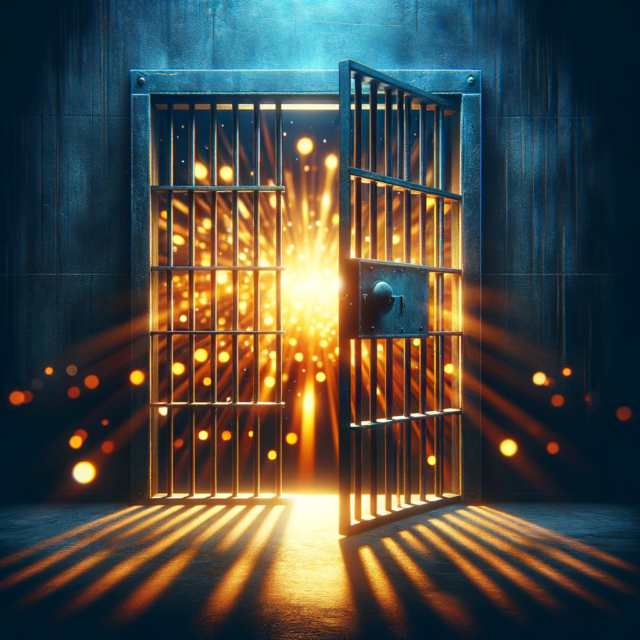
The arrest paradox is simple: the worst night of the operation produced the best trajectory the operation has ever had. Every door that opened after July 12 traces back to getting locked behind one.