
We donate 5% of ticket profits after $1,500 in ad spend to SafeRaveNYC, a harm reduction nonprofit. We have also donated $1,500+ to third-party charities across our events. This is not corporate social responsibility theater. It is the foundation of a trust infrastructure that protects the community, differentiates the brand, and serves the political trajectory this project is building toward.
The origin: a drug safety chat
The charity model started in Mexico City, where the original SLIST community included a dedicated drug safety chat in the WhatsApp group. That chat was one of the things that made the brand stand out in a scene where harm reduction was either ignored or performed as a logo on a flyer with no actual support behind it.
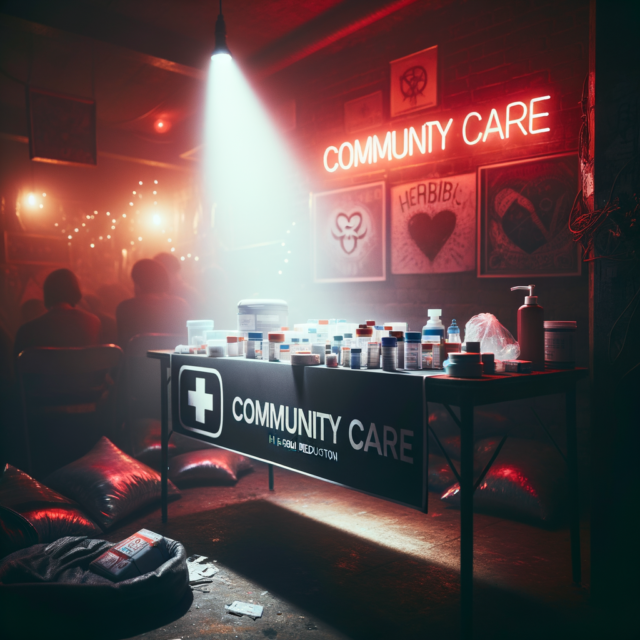
When the operation moved to NYC, that ethos formalized into a partnership with SafeRaveNYC, a 501(c)(3) that provides harm reduction services at events. The partnership is not just a donation. It includes a physical table at events with fentanyl test strips and trained support volunteers, social media cross-promotion, mailing list integration, and the SafeRaveNYC logo as a permanent element on event flyers.
Why 5% after ad spend, not gross
The typical profit split for our events allocates 10% to charity. But the donation is calculated after covering real expenses — venue, sound, DJs, marketing. The 5% SafeRaveNYC allocation specifically kicks in after $1,500 in ad spend is covered. This protects the operation from donating itself into insolvency while ensuring the charity receives meaningful support when the event is actually profitable.
The full expense waterfall: venue first, security second, ads third, staffing fourth, DJ fees fifth. Charity comes from what remains after the operation is sustainable. This sounds less generous than donating off the top, but it means the donations actually happen consistently because the operation survives to run the next event.
Harm reduction as business strategy
Harm reduction is not just ethical — it is strategic. Events with visible harm reduction infrastructure attract a different type of attendee. The presence of fentanyl test strips, sober volunteers with armbands, and a SafeRaveNYC table signals that the organizer takes safety seriously. That signal filters for attendees who value the community over pure hedonism.
The sober volunteer concept is low-cost and high-impact: community members who are not drinking get armbands and act as informal safety monitors. They keep an eye out, offer water, and connect people to the harm reduction table when needed. No professional security budget required — it leverages community members who already attend.
Post-arrest, every event operates with licensed security, licensed bartenders, and EMTs on site. The transition from DIY raves to fully permitted legal events made harm reduction partnerships even more critical — they demonstrate institutional legitimacy to venues, insurance providers, and city officials.
The trust dividend
When the July 2025 arrest happened, only 5 out of 150 attendees asked for refunds. That level of community loyalty did not come from good music or cheap tickets. It came from years of demonstrating that the operation cares about the people in the room, not just the revenue they represent.
The charity integration is part of that trust stack. When the community knows that a portion of their ticket goes to harm reduction, their relationship to the ticket price changes. They are not just buying entry — they are funding a community safety net. That reframes the entire economic relationship from transactional to participatory.
The political angle
For any event operation with ambitions beyond nightlife, charity integration builds the institutional credibility that a political future requires. A documented track record of community investment, harm reduction partnerships, and transparent financial allocation creates a narrative that extends beyond parties into civic responsibility.
The first responders rave concept — a fundraiser for police, FDNY, and paramedics — sits at the intersection of political ambition and rave culture. Using the event format to build bridges with institutions that normally shut raves down is the long game. Charity is not separate from the business model. It is the layer that makes everything else sustainable and defensible.
Donating a portion of every event is not generosity for its own sake. It is the connective tissue between the rave and the community it claims to serve. Without it, you are just another promoter selling tickets. With it, you are building an institution that people trust with their safety, their money, and their Saturday nights.