
No set times. No artist bios. No FOMO overlays on the flyer. No captions on the Instagram post. Every omission is intentional. Every piece of withheld information is a design decision that makes the event better.
The anti-FOMO manifesto
The ticketing page copy distills the philosophy into a single line: dark vibes only, no set times, no artist bios. Research the lineup, or just trust our curation. That is anti-marketing as marketing. It works because the curation has earned the trust required to withhold information that every other promoter treats as essential.
No set times creates mystique and reduces no-shows from people who only want to catch the headliner. When you do not know when the headliner plays, you either commit to the full night or you do not come. Both outcomes are better than someone showing up at 2 AM, catching one set, and leaving without buying a drink.
No artist bios
The curation is the credential, not the individual artist’s resume. When every DJ on the lineup has been selected for the same reason (they have something dark and genuine to say on the decks), the brand name carries more weight than any bio could. Listing bios implies the audience needs convincing. Our audience does not need convincing. They need a date and a link.
The visual identity of withholding
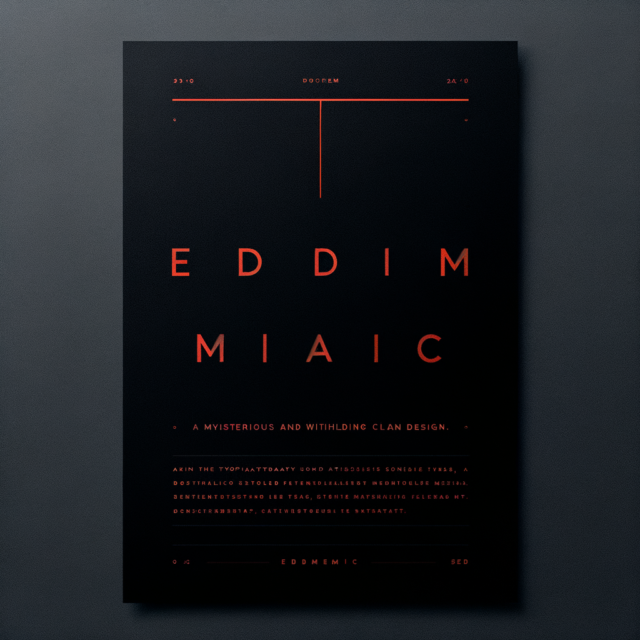
The flyer design system reflects the same philosophy. Three elements, always left-aligned: date and location, headliner and support lineup, CTA text number and logos. One abstract background image per event. One font family. Red, black, and white only. No clutter. No busy design. The flyer communicates underground credibility through restraint. Too polished reads as corporate. Too rough reads as amateur. The target is the narrow band in between.
We explored zero-caption, zero-comment, hidden-likes Instagram posts. The Berghain model: events without flyers, attendance driven purely by reputation. We are not there yet. But the trajectory points toward a state where the brand is strong enough that marketing an individual event is unnecessary. You market the calendar, not the night.
Ticket naming as psychology
Even the ticket tiers are designed with the same withholding logic. We moved from “Tier 1, 2, 3” to “Release 1, 2, 3.” The word “release” implies scarcity and price inflation without being dishonest. It describes when tickets become available, not how many exist. The naming was stress-tested: is “release” honest if the first two are unlimited? Yes, because the term refers to timing, not quantity. The psychology works without deception.
The anti-FOMO approach only works if the curation is actually good. Less information equals more mystique equals higher perceived value, but only when the product behind the mystique delivers. Withholding information from an audience that does not trust you is pretentious. Withholding information from an audience that trusts you completely is elegant. We earned the right to say less by spending two years proving we meant every word.