The people who came during lockdown are not just fans. They are founders.
March 2021
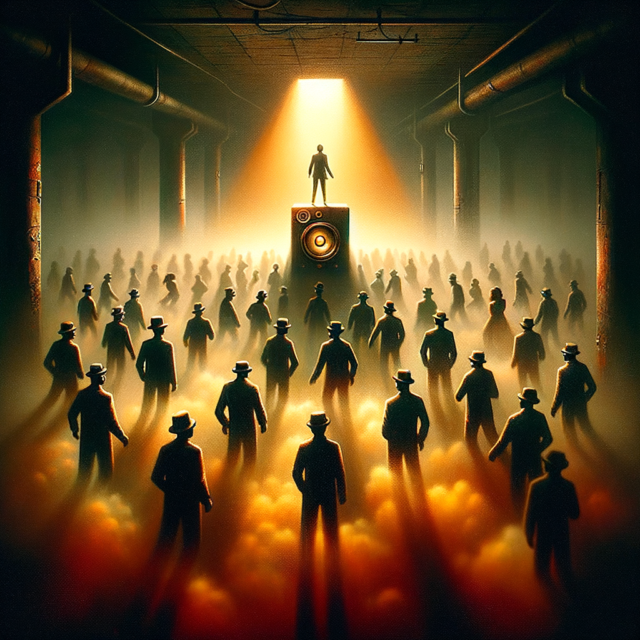
New York was still locked down when the first cohort found each other. Not through Instagram. Not through flyers. Through word of mouth in a city where the only mouths still talking were the ones desperate enough to leave the house for a basement with a sound system.
I discovered techno at a Brooklyn rave during the lockdown of March 2021. I liked that almost no one was wearing a mask. One time, I threw up on the dance floor from chain-smoking cigarettes. A bunch of ravers rushed to help — poured water over my head, helped me to the chill room, wiped off the vomit, offered to call an Uber. I was back on the dancefloor after 30 minutes. I started going out three times a week after that.
That moment is the founding mythology. Not a business plan. Not a brand strategy. A room full of strangers who took care of someone who was having the worst physical moment of their night, and then welcomed them back.
The founding cohort
The lockdown ravers are a distinct loyalty cohort. They found community through dark music when there was nothing else. Larry attended 25 SLIST events in 2024 alone — a Queens-based regular who represents the type of person this project exists for. Not a scene politician. Not an influencer. A person who shows up because the music matters and the community delivers.
These are the people who defended the brand before any commercial element existed. When the cancel campaigns hit, when the scene tried to push us out, the lockdown cohort held. Not because we asked them to. Because the community we built meant something to them that no Instagram callout could override.
The energy of that era
Lockdown raves had an energy that post-lockdown events never fully recaptured. The risk was real — cops, fines, COVID. The people who showed up anyway were self-selected for intensity. They were not there for content or status. They were there because the alternative was another night alone in an apartment wondering if the world would ever feel normal again.
That desperation produced the most genuine community I have ever been part of. No gatekeeping. No scene politics. Just music and survival and the brief, radical act of dancing when the city told you not to.
The lockdown cohort does not need recognition. They already know who they are. But the record should reflect that SLIST exists because a group of people decided that dark music in a basement was worth the risk when nothing else was. Everything that followed — the events, the brand, the infrastructure, the trajectory — grew from that soil.
To the founding members: you are not just part of the community. You are the community. Everything else is scale.