
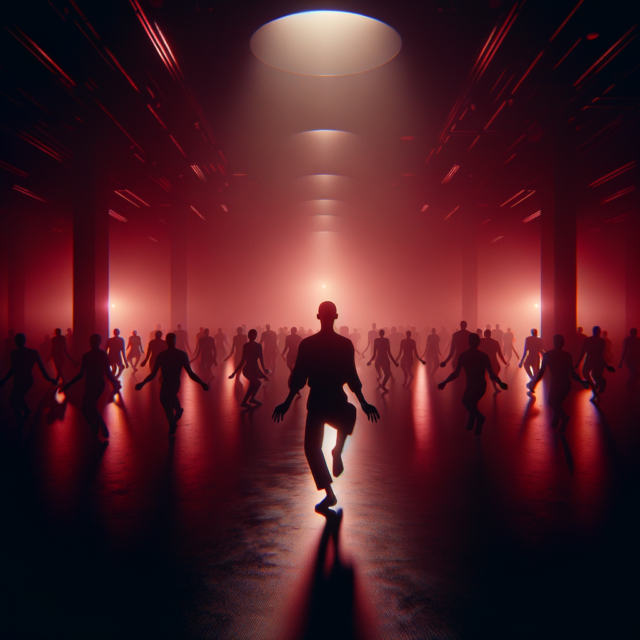
Every promoter in New York will tell you their events are “dark.” They slap a black flyer on Instagram, book someone who plays at 145 BPM, and call it underground. We have a different definition. And it matters more than you think.
Dark is not a genre
The single most important thing we learned building SLIST is that “dark” is a mood, not a tempo. We have done ambient events. We have programmed dubstep blocks at 4 AM. We have run hypnotic techno sets that never broke 130 BPM. All of them were dark. All of them belonged on our stage.
The curation criteria is atmospheric, not generic. Other crews can chase the grooviest, the hardest, the fastest, or the most psychedelic. What we are after is music that hits you where it hurts. That distinction is everything.
What dark actually requires
Dark means the DJ plays something they would never get away with at another gig. It means the crowd does not flinch when the set gets uncomfortable. It means the room holds tension instead of running from it.
We built a curation standard around this. Every DJ on a SLIST lineup gets the same brief: go deeper than your other gigs. Play the track you have been saving because no other promoter would let you. The audience can handle it. In fact, they expect it.
That expectation is earned, not assumed. After processing roughly 3,000 guests across 20-plus events with only two removal incidents, the data speaks for itself. The crowd self-selects. The music filters the room as effectively as any door policy.
The competitive map
In the New York underground scene, we noticed a split that nobody was naming. Queer crews drive culture and curation. Non-queer crews drive logistics and numbers. SLIST occupies a position that claims both: cultural authority and operational infrastructure under one roof. That is not an accident. It is the result of defining “dark” broadly enough to attract genuine taste, and operationally enough to actually scale.
Why the definition matters commercially
When your brand identity is a genre, you are locked in. Every trend cycle threatens you. When your brand identity is a mood, you own a lane that cannot be outcompeted because it is subjective, personal, and impossible to replicate without the same taste.
We have run events spanning industrial hardcore, atmospheric trance, dark drum and bass, and ambient experimental sets. The audience buys tickets without looking at the lineup because they trust the curation. That trust took two years to build and it is the single most valuable asset we have.
Dark is not about BPM. It is not about underground status. It is not about how hard the kick drum hits. It is about whether the music makes you feel something you did not expect to feel on a dance floor. Everything else is marketing.